


For many foodservice distributors, the annual food show is a major investment in time, budget, and resources. But what if your food show could do more than generate a few days of buzz? What if it became the foundation for a year-long marketing engine—one that drives supplier engagement, boosts operator attendance, and opens the door to ongoing promotional revenue?Forward-thinking distributors are doing exactly that. By treating the food show as a launchpad for their supplier marketing programs, they’re building new revenue streams and using smart technology to maximize every dollar. Here’s how you can do the same.
Q3: The Planning Quarter That Sets It All in Motion
Let’s start with timing. Most suppliers finalize their budgets and marketing plans in Q3, which makes this quarter a critical window for distributors to build and present their marketing plans.
What do you include in your marketing plan today? Promotional opportunities related to food shows, flyers, digital placements, seasonal campaigns, tasting events, and more? When you pitch this to suppliers, you’re not just selling ad space. You’re offering them strategic visibility into your operator network—and that has real value.
This is also when you decide what your food show will really be. Will there be a basic booth fee? Or will you offer tiered packages that include premium placement, pre-show promos, exclusive signage, or post-show email campaigns? Planning this now means you can bundle it all into your catalog and give suppliers a chance to opt into more than just a booth.
PRO TIP: Use Q3 to align your food show with the rest of your marketing program. A strong CRM and trade show tool can help you design upsell packages that map directly to the behaviors and outcomes suppliers care about—like lead generation, engagement, and operator conversions.
Q4: The Negotiation Quarter Where Deals Get Locked In
Q4 is when you move from planning to action. You’re sitting down with suppliers—whether in person, over video, or via email—to finalize their participation in your marketing program for the coming year.
These are strategic negotiations. You’re not just saying, "Do you want a booth?" You’re saying, "Do you want to be part of our year-long campaign to reach operators? Here's how your food show presence fits into the bigger picture."
The right software makes all of this easier to:
- Present customized proposals for each supplier
- Show them previous ROI data tied to booth placement or promotions
- Bundle booth fees with other marketing opportunities
- Track which suppliers have committed to which programs
You’re turning your food show into a core asset that drives supplier investment, not just once, but throughout the year.
Food Show Monetization: It’s More Than Booth Fees
Booth fees are the beginning. With the right strategy, your food show becomes a platform for upselling, engagement, and added revenue.
Here are a few ways distributors are building premium offerings into their food shows:
- Promoted Booth Lists: Suppliers pay a premium to be on a "must-visit" list that drives operator traffic. For example, visit these 10 booths to be entered into a raffle. Each featured supplier pays extra to be on that list.
- Premium Placement: Let suppliers upgrade to high-traffic locations on the show floor, with signage and enhanced visibility.
- Pre-Show Campaigns: Bundle booth participation with targeted emails or teaser content powered by your CRM.
- Post-Show Follow-Ups: Offer automated outreach to booth visitors, recapping deals, samples, or exclusive offers.
Each of these options creates real value for suppliers. And they all create opportunities for you to generate incremental revenue.
Remember: Suppliers have a budget for marketing. If you can show them that a food show package (with built-in promotions) delivers ROI, they’ll spend more—and be happier doing it.
Tech as a Revenue Enabler
CRM. Trade show tools. Automation. All of it costs money. But here’s the thing most distributors overlook: this tech isn’t just an operational expense. It’s a revenue enabler.
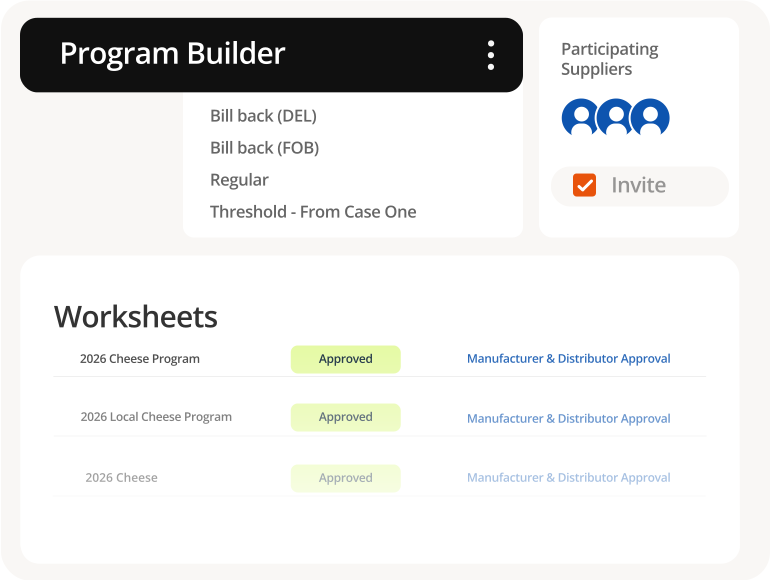
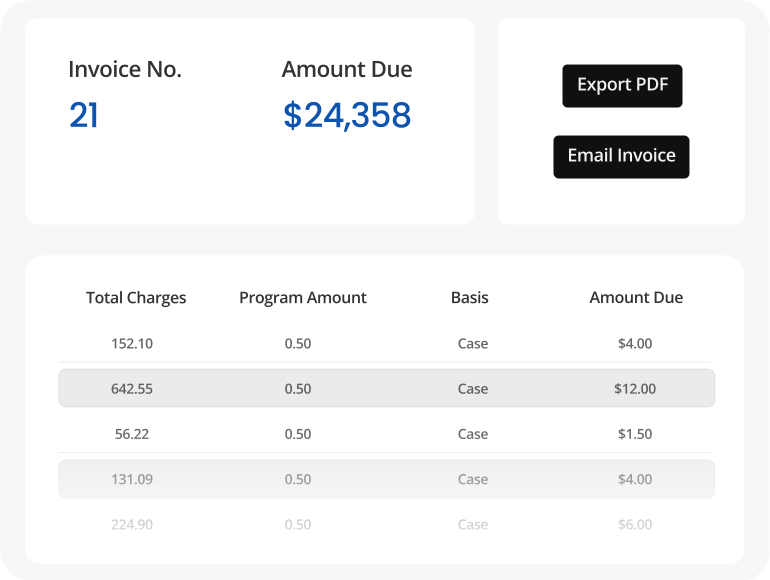
When you invest in a platform like Meal Ticket, you’re not just digitizing your food show. You’re building a revenue operations platform that:
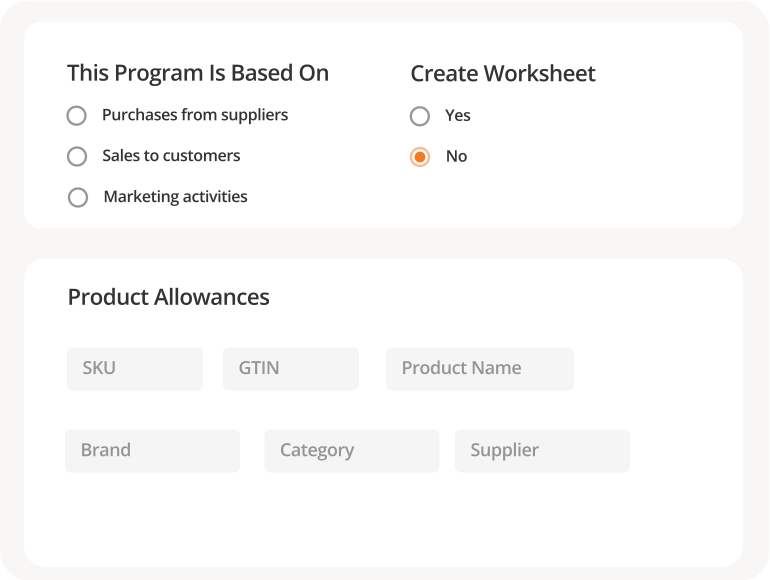
- Manages your entire supplier marketing catalog
- Tracks and promotes supplier participation
- Automates outreach to drive operator attendance
- Captures and organizes leads for follow-up
Without the tech, you’re guessing. With it, you’re generating revenue.
Your food show is more than an event. It’s a revenue engine waiting to be activated all year long.
By using Q3 to build your marketing catalog, Q4 to negotiate supplier commitments, and the right tools to deliver and track value, you can:
- Monetize your show beyond booth fees
- Unlock new opportunities for supplier engagement
- Drive year-round growth for your business
Distributors that win in this space aren’t just throwing events. They’re building ecosystems.
Ready to build yours? Check out the top 10 must-have features the best trade show solution has to make sure your tech stack is ready to turn strategy into revenue.