



For many foodservice distributors, food shows are one of the most important events of the year. It’s a chance to build customer loyalty, strengthen supplier partnerships, and generate meaningful sales. But too often, planning begins when it’s already too late.While the shows themselves may only last a day or two, their success hinges on the planning that starts months, even a full year, earlier.That’s why top-performing distributors start preparing for their next spring food show in Q2 of the prior year.When distributors wait until late in the year or after the holidays to begin planning, the result is often a race against the clock. Venue deposits are due, vendor calendars are full, and what could have been a strategic, high-impact event becomes a scramble. Q2, on the other hand, offers a unique window: your most recent spring show is fresh in everyone’s mind, contacts are still warm, and you have time to turn insight into action—before the real planning deadlines hit in Q4.Here’s what you gain by planning early, and what you risk by waiting.
1. Post-Mortems Become Your Pre-Show Strategy
Q2 is when your spring show is still top of mind, which makes it the ideal time to document what worked, what didn’t, and what to build on. Q2 is the best time to take what you’ve learned based on your food show post-mortem questions, identify gaps, and turn them into opportunities.
Whether you’ve run a formal post-show debrief or just started gathering feedback, successful distributors use Q2 to turn those insights into a strategy for 2026:
- Missed key customers? Adjust your targeting strategy.
- Lukewarm feedback on deals? Start talking with suppliers now.
- Layout or traffic flow issues? Consider changes for next year’s venue.
Waiting too long means details fade, energy dissipates, and the same issues risk repeating next year. Hold a debrief with sales, marketing, and vendor teams, capture feedback in a centralized location, turn feedback into actionable next steps, and assign owners.
2. Effective Future Promotions Rely on Targeted CRM Lists
Your food show doesn’t just drive short-term results, it helps fuel next year’s outreach. The attendees and conversations from this year become the foundation of your next spring show strategy.
Q2 is the prime time to consolidate and clean your contact data while it’s still current. Are your sales reps capturing accurate emails, product interests, and company info in a centralized CRM? Or is it living in personal notes and inboxes?
The best distributors:
- Use Q2 to document new contacts from the show, by territory and interest area
- Ensure sales reps are consistently updating CRM entries with relevant context
- Begin segmenting lists for future campaigns, especially around top-performing categories
Having a well-organized database enables smarter, more targeted promotion when Q3 marketing planning begins. And by starting early, you’ll avoid the last-minute rush to identify and engage the right contacts.
3. Promotions and Programs Take Time to Build
Effective show promotion isn’t a quick-turn activity. It takes time to craft your message, align your supplier partners, and design incentives that resonate.
Planning early gives distributors time to discuss priorities with suppliers, pitch booth opportunities, and secure early commitments. These conversations influence how deals and marketing support will be structured later in Q3.
Distributors who start in Q2 have more time to:
- Build out a calendar-based marketing plan
- Align promotions with vendor support
- Tailor outreach to the right segments
You don’t need every detail figured out today, but putting the building blocks in place now sets you up for a more cohesive and impactful campaign later.
4. Venue & Logistics Are Competitive
Venue availability is a competitive game. By Q3 and Q4, prime spaces and preferred dates for spring events are often already claimed, especially if you’re working with limited options in your region. Starting the process in Q2 gives you more flexibility and leverage.
Booking early also allows you to:
- Align on internal budgets before peak selling seasons
- Choose booth layouts that maximize vendor visibility and traffic flow
- Secure the right partners for AV, catering, signage, and support
It also opens up collaboration time between departments. Sales, marketing, and operations can work together more proactively when timelines aren’t compressed.
5. Show-Day Success Starts With the Right Systems
The show-day experience is only as good as the systems that support it. From attendee check-ins to sample tracking to post-show reporting, technology plays a central role. This requires research, training, and implementation time.
Q2 gives you a long enough horizon to evaluate your needs and make strategic upgrades without the pressure of an upcoming event.
- Evaluate how your current tools performed: What was manual, inefficient, or inaccurate?
- Research platforms that can improve areas like attendee engagement, order tracking, or vendor analytics.
- Align on a budget and timeline for testing or piloting new systems ahead of next year’s show planning cycle.
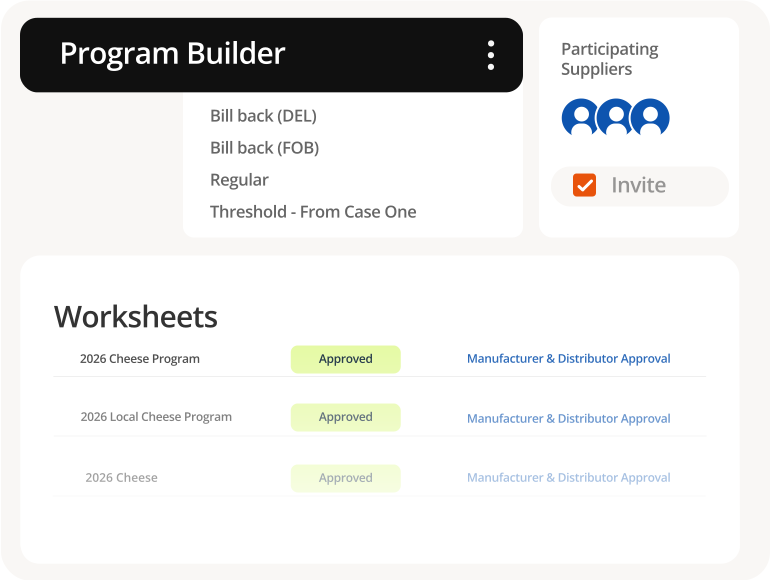
The right tech stack makes it easier to capture ROI, streamline food show operations, and provide value to both your suppliers and customers. Implementing it ahead of time provides you enough time to deliver results. Read how Meal Ticket's Trade Show solution helps distributors across the country take the chaos out of in-person, virtual, and hybrid food shows with easy-to-use tools and intuitive analytics.
Once your insights are in place, the next step is making them work for you. That means building a marketing plan that keeps the momentum going – not just until next spring, but all year long. Discover how to turn your 2026 food show into a full-year marketing engine.